The Wound and Trauma
The impact of lived experience
Trauma-informed therapy recognizes how past experiences continue to shape emotional responses, relationships, identity, and the nervous system in the present.
At times, trauma is connected to a single overwhelming experience. Other times, it develops slowly through chronic emotional stress, neglect, instability, betrayal, loss, family dynamics, or environments where emotional safety was missing.
Even long after an experience has passed, the body and psyche may continue responding as though the danger is still present.
You may notice:
- emotional overwhelm or shutdown
- hypervigilance or difficulty relaxing
- anxiety, panic, or emotional numbness
- difficulty trusting others
- dissociation or feeling disconnected from yourself
- recurring emotional triggers or reactivity
- patterns of self-protection that once felt necessary
- shame, fear, or difficulty feeling emotionally safe
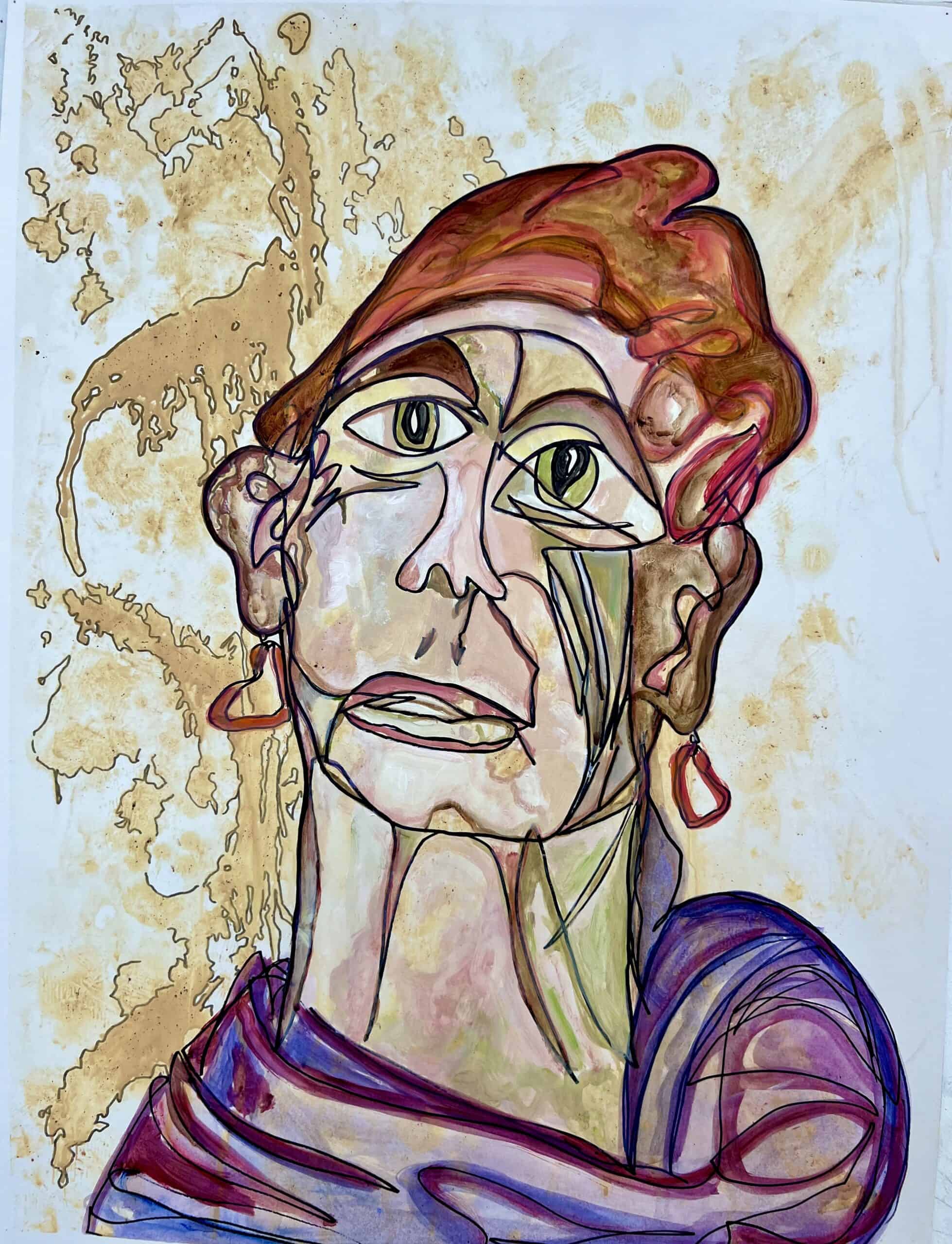
"Until you make the unconscious conscious, it will direct your life and you will call it fate"
- Carl Jung
From a Jungian depth psychology perspective, trauma affects not only the mind and body, but also the deeper emotional life of the psyche. Certain wounds may remain unspoken, buried beneath survival strategies, protective patterns, or emotional defenses developed over time.
What once helped you survive may now be limiting your ability to feel present, connected, or fully yourself.
This work is grounded in safety, emotional pacing, and respect for your experience. Together, therapy becomes a space to gently explore the patterns, responses, and emotional protections that developed around the wound—not to force revisiting painful experiences before you are ready, but to create greater awareness, grounding, and emotional integration over time.
What we explore:
- patterns of emotional response and protection
- nervous system awareness and grounding
- unconscious coping and survival strategies
- emotional triggers and relational dynamics • grief, fear, shame, or unresolved emotional pain
- dream work, symbolism, and the language of the psyche
- reconnecting with parts of the self that became disconnected through trauma
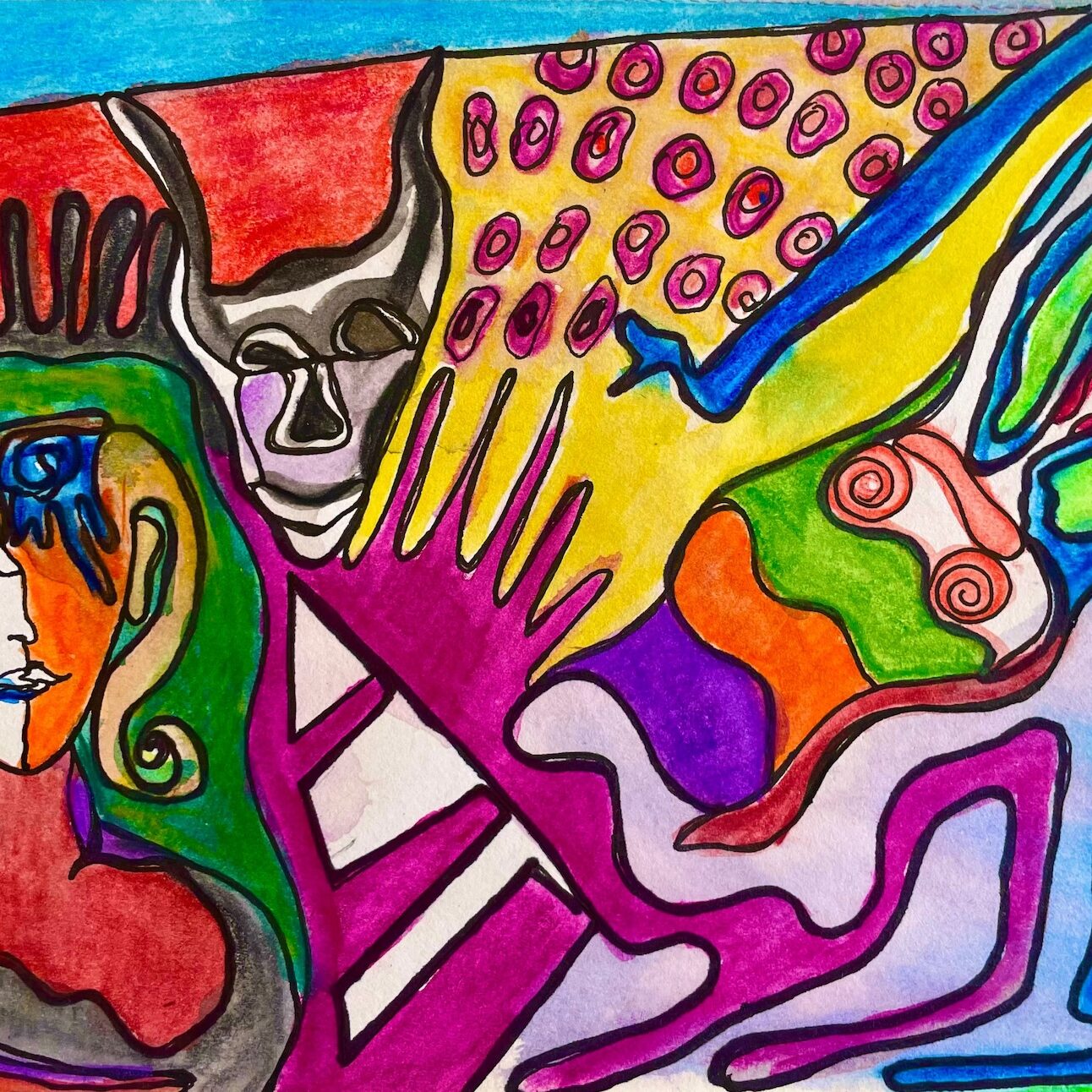
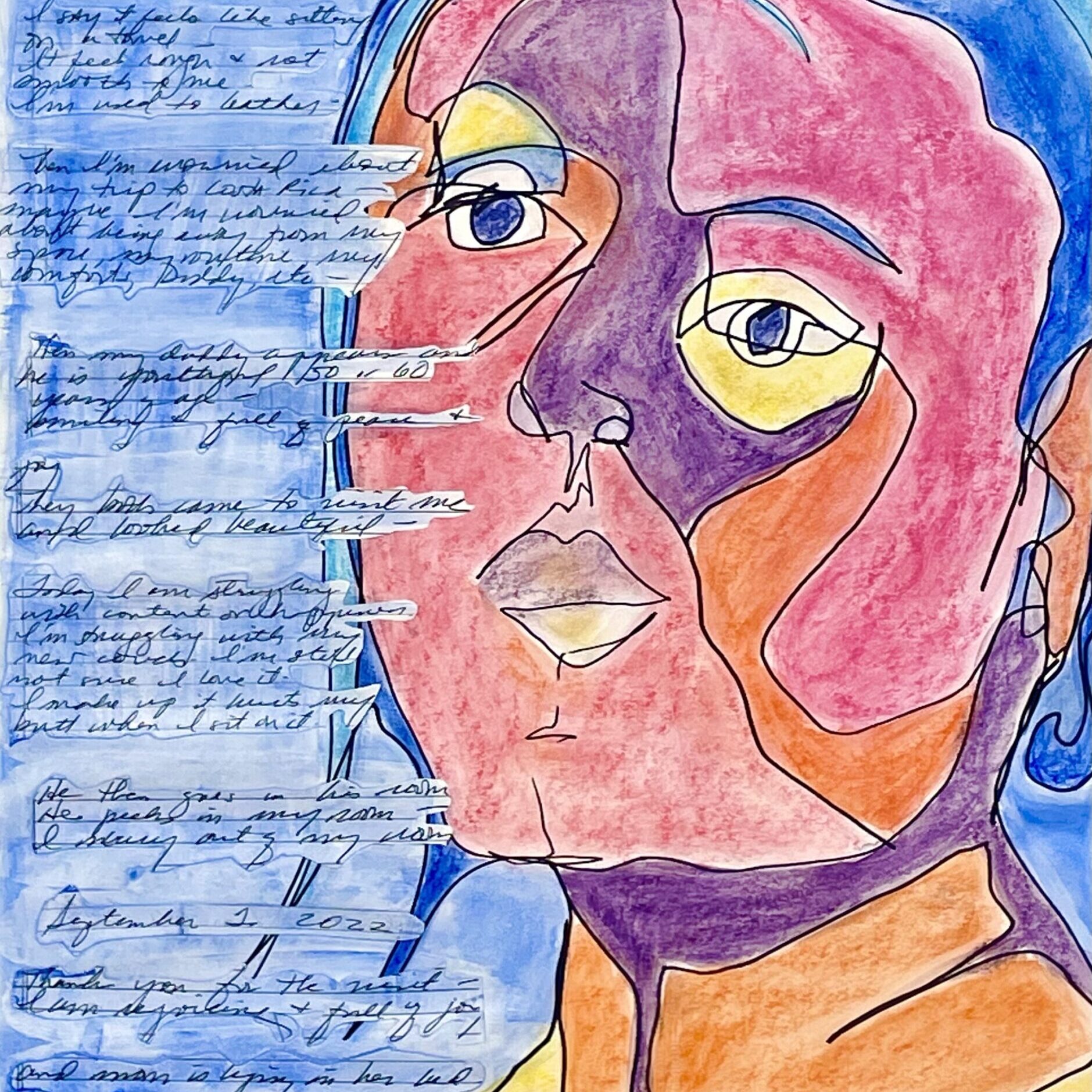
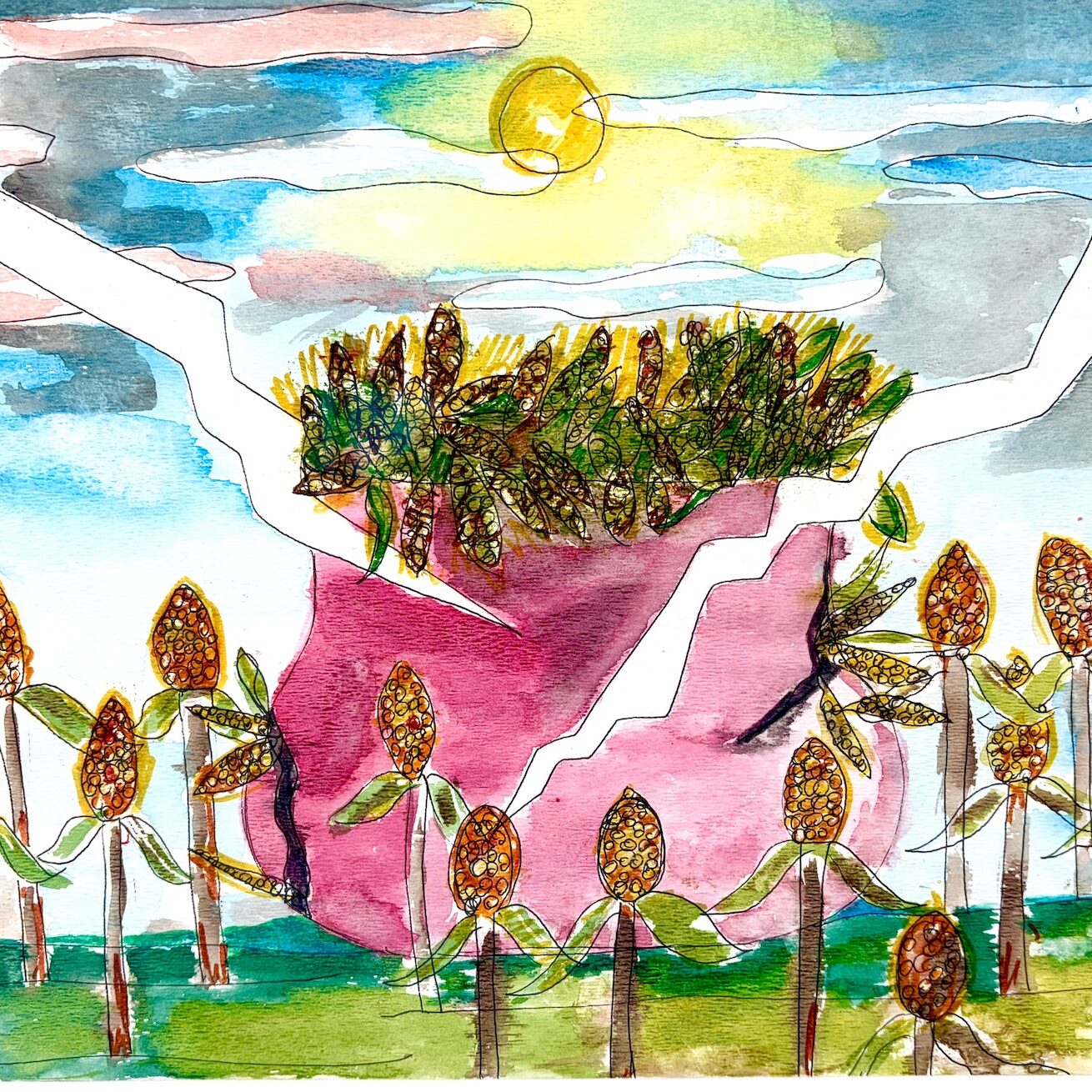
This process may include Jungian-informed psychotherapy, art therapy, active imagination, symbolic exploration, and trauma-informed emotional support designed to honor your pace and sense of safety.
Over time, what begins to shift may include:
- greater emotional stability
- reduced reactivity and overwhelm
- increased self-awareness and grounding
- deeper emotional safety and trust
- stronger connection to self and others
- a greater sense of presence within your life
Healing from trauma is not about erasing the past. It is about creating a different relationship with it. You do not have to navigate that process alone.
Schedule a consultation to explore whether this work may support your healing process and emotional well-being.

Meet Dr. Angelina
Dr. Angelina H. Rodriguez is a Houston-based Jungian psychotherapist, speaker, and artist whose work explores the deeper emotional and symbolic patterns shaping human experience. Read more...
Currently accepting new patients and speaking opportunities.