When A Feeling Doesn't Lift
UNDERSTANDING EMOTIONAL PATTERNS SHAPING YOUR LIFE
Anxiety and depression can affect nearly every part of your life—your energy, your thoughts, your relationships, and your sense of direction.
At times, anxiety may feel like constant mental noise. Racing thoughts. Restlessness. Difficulty sleeping. A persistent sense of worry or emotional overwhelm that never fully settles.
Depression can feel different. A heaviness. Emotional exhaustion. Disconnection from yourself, from others, or from parts of life that once felt meaningful.
Sometimes these experiences come and go in waves. Other times, they linger quietly beneath the surface for months or years.
You may be experiencing:
- persistent worry or racing thoughts
- low energy or emotional fatigue
- feelings of sadness, numbness, or disconnection
- difficulty concentrating or feeling present
- changes in sleep or appetite
- loss of motivation or interest in daily life
- guilt, shame, or harsh self-criticism
- feeling emotionally stuck or overwhelmed
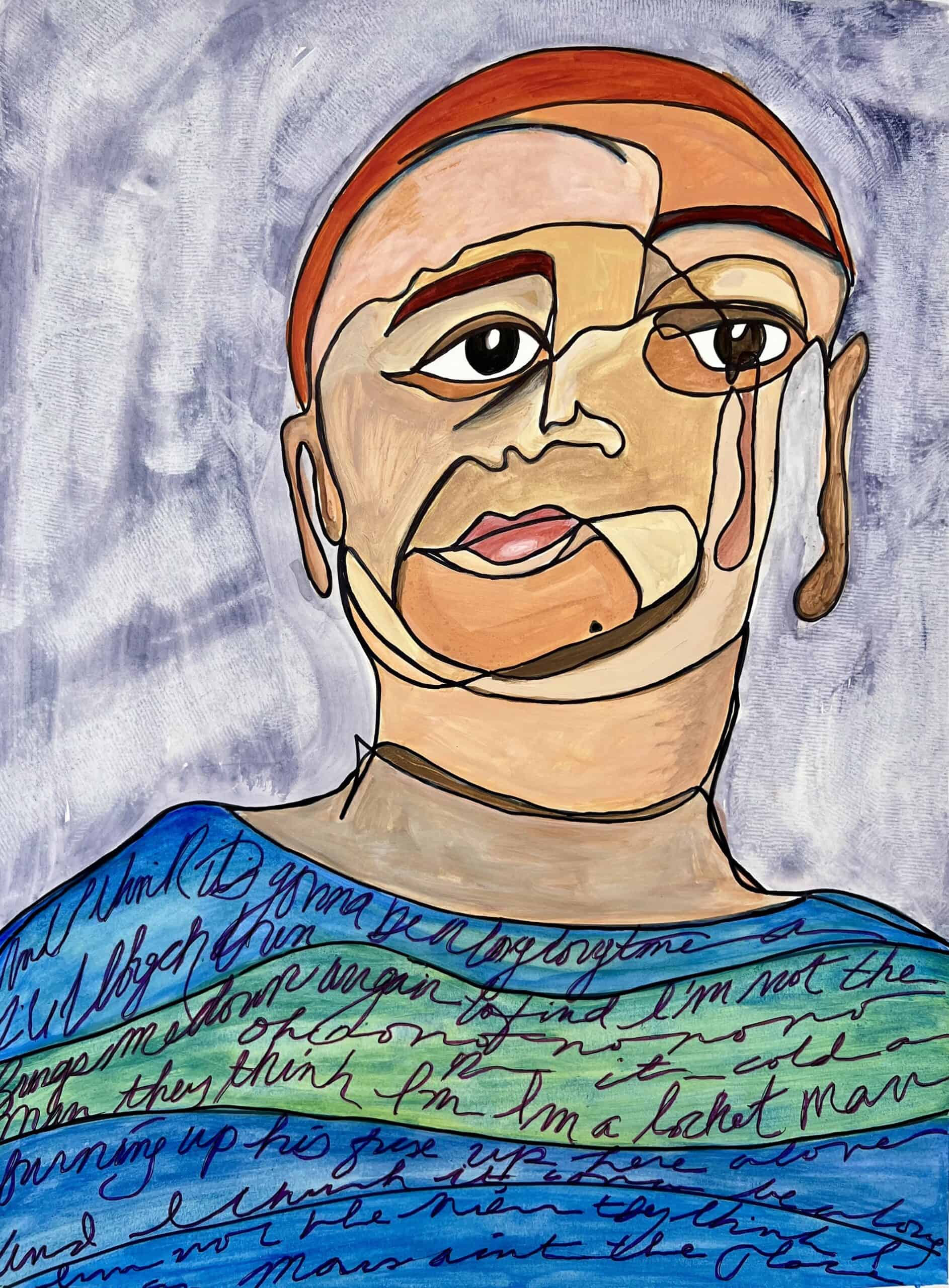
"I am not what happened to me. I am what I choose to become"
- Carl Jung
From a Jungian depth psychology perspective, anxiety and depression are not viewed only as symptoms to eliminate, but also as emotional experiences that may carry deeper psychological meaning.
At times, the psyche expresses itself through anxiety, exhaustion, sadness, emotional withdrawal, or recurring internal tension when something within us has been neglected, disconnected, or pushed beneath awareness.
Together, therapy becomes a space to slow down and listen more closely to the emotional patterns shaping your inner life.
This work may include:
- exploring unconscious emotional patterns
- understanding anxiety triggers and emotional responses
- identifying sources of emotional disconnection or burnout
- dream work and symbolic exploration
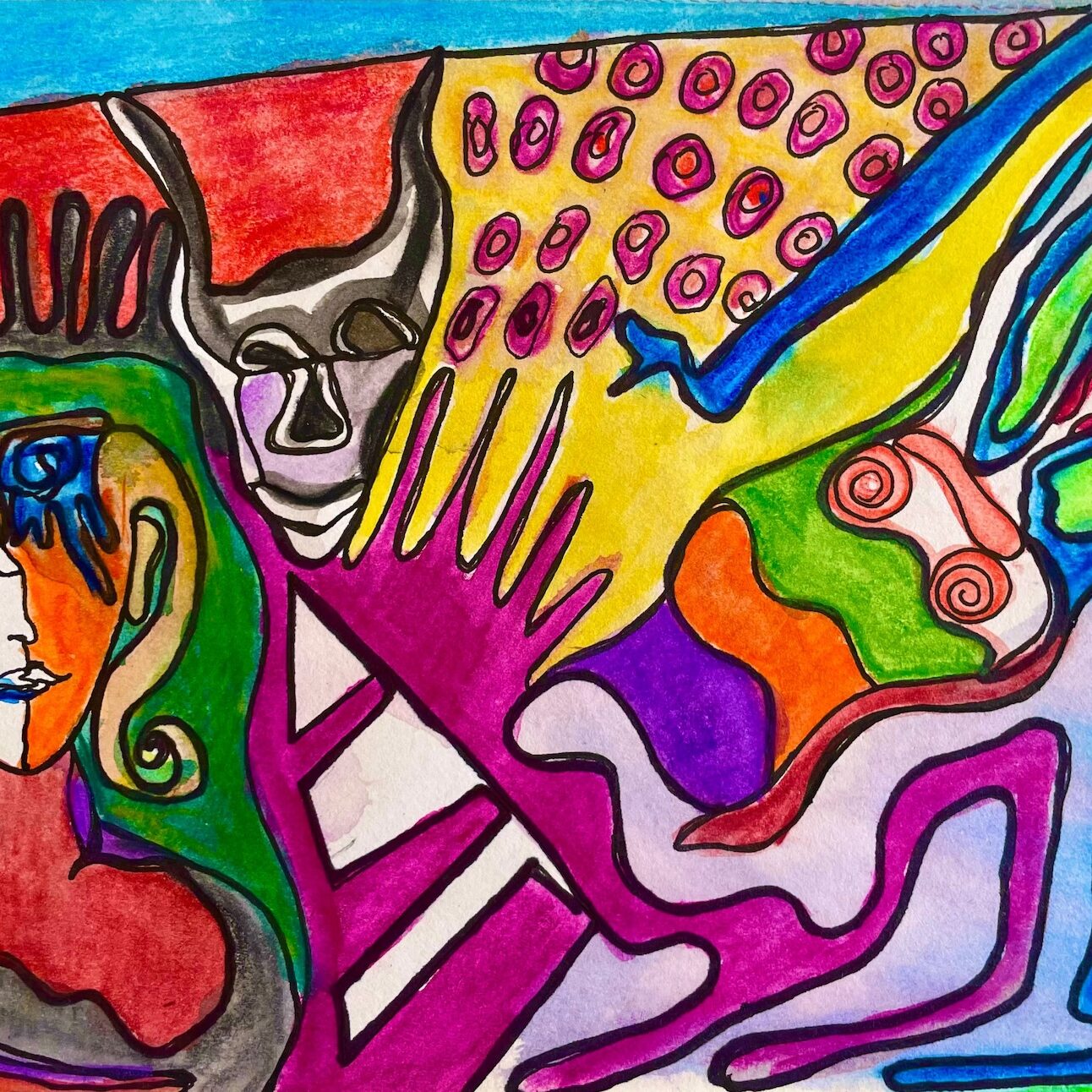
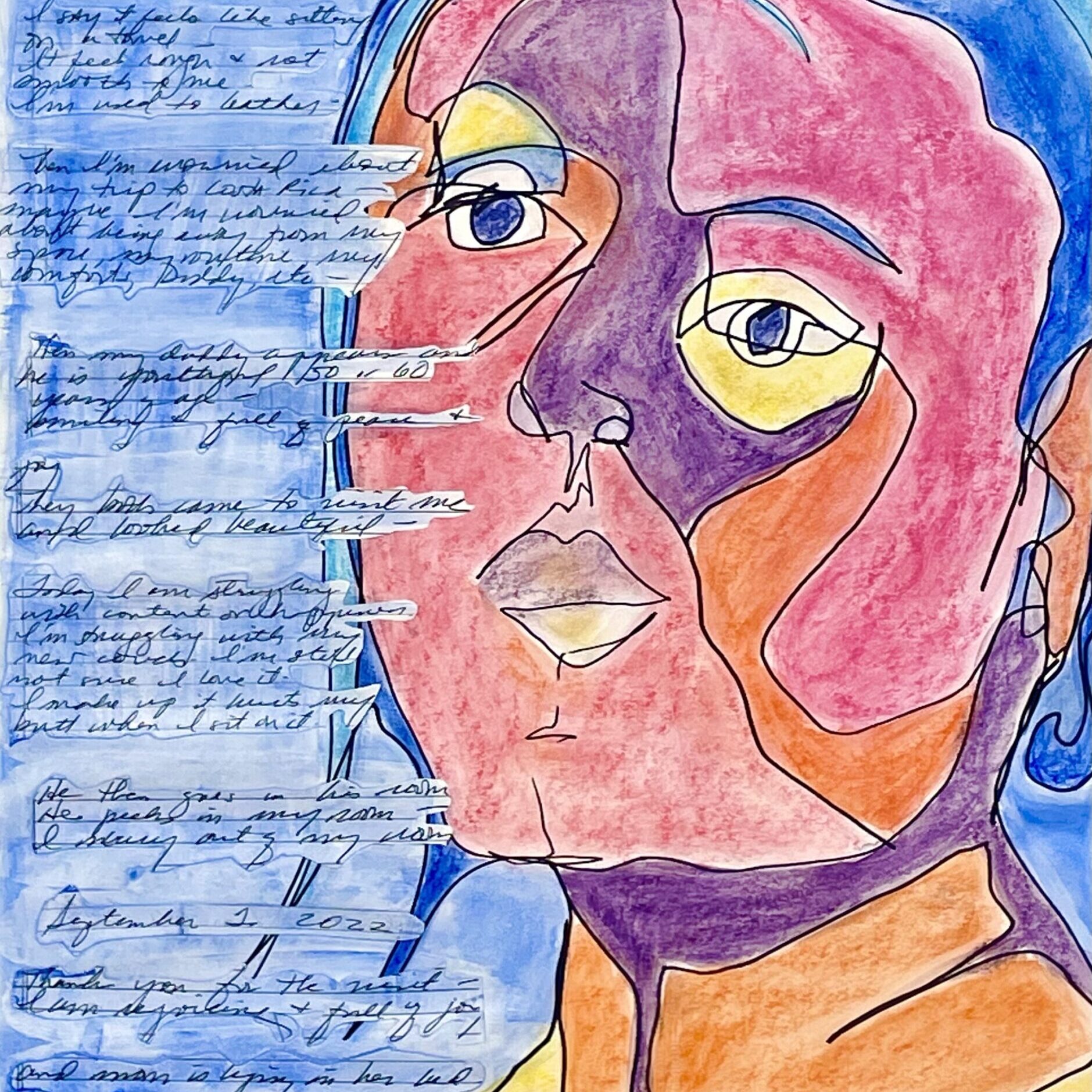
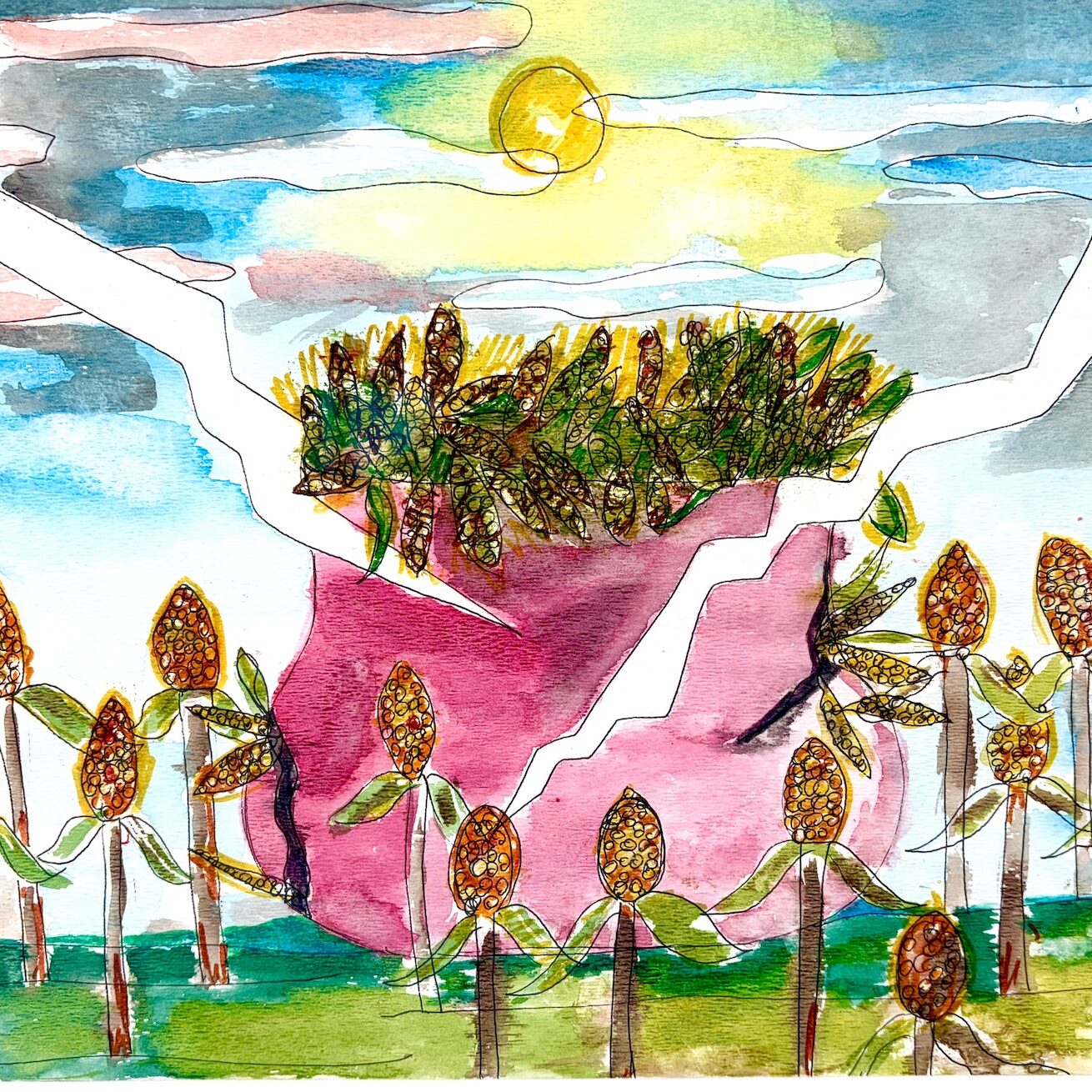
- Jungian-informed art therapy and creative expression
- developing a more grounded relationship with yourself and your emotions
Rather than focusing only on symptom management, this process supports deeper emotional awareness, meaning-making, and psychological integration.
Over time, many clients experience:
- greater clarity and focus
- increased emotional connection
- a more grounded sense of self
- improved emotional resilience
- renewed meaning, energy, and direction
You do not have to navigate anxiety or depression alone. Schedule a consultation to explore whether this work may support your emotional well-being and healing process.

Meet Dr. Angelina
Dr. Angelina H. Rodriguez is a Houston-based Jungian psychotherapist, speaker, and artist whose work explores the deeper emotional and symbolic patterns shaping human experience. Read more...
Currently accepting new patients and speaking opportunities.