Bridging Art and Death
Experiential Rituals & Ofrenda-Making
Honoring grief through ritual, symbolism, and remembrance Dr. Angelina H. Rodriguez is a noted expert in the tradition of ofrenda-making and has guided participants through immersive Día de los Muertos, or Day of the Dead, rituals and workshops throughout the United States.
Through the creation of altars, known as ofrendas, photographs, candles, flowers, music, food, and symbolic objects, loved ones are remembered, honored, and invited into relationship. The orenda making of Dia de los Muertos is an emotional and symbolic ritual, rich in Mexican culture and tradition observed every year on November 1 and 2.
Day of the Dead rituals honor the dead with ancient Aztec symbols and tradition. Materials such as wooden skulls are used in building an ofrenda, while sugar skulls and special breads baked in shape of skulls and crossbones are made as treats for family and friends. All of these symbols representing death and rebirth. Aztec dances are recreated, and marigolds, incense, and candles light the way for the loved ones who are believed to come and visit on this special day.
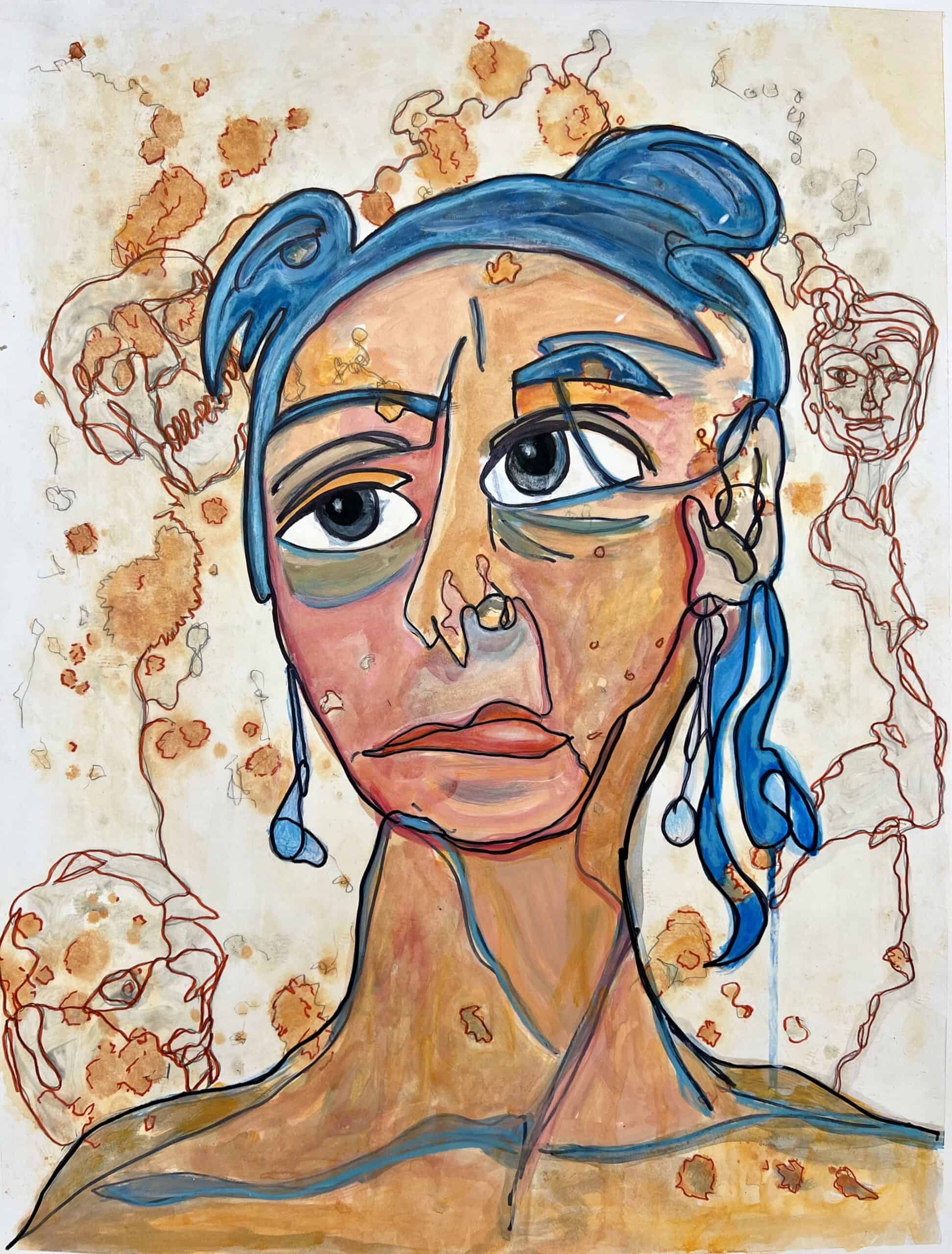
"The images of the unconscious place a great responsibility upon a man. Failure to understand
them, or a shirking of ethical responsibility, deprives him of his wholeness and imposes a painful fragmentariness on his life."
- Carl Jung
Within Jungian depth psychology, rituals such as ofrenda-making create space for grief to move beyond silence or isolation and become something witnessed, expressed, and transformed. Through image, memory, storytelling, and symbolic artmaking, participants are invited to engage loss in a more conscious and meaningful way.
Dr. Angelina’s work explores how ritual and creativity can help individuals deepen their relationship with grief, memory, transition, and the archetype of death itself. Rather than avoiding conversations around death and loss, these experiences encourage participants to approach them with reflection, reverence, and emotional honesty.
The process often becomes not only a way of honoring those who have died, but also a way of reconnecting with love, memory, identity, and healing.
As many cultures throughout history have understood, grief is not meant to be carried entirely alone.
Ritual creates a container for remembrance, connection, and transformation.
Through experiential workshops and guided ritual practices, participants may explore:
- grief and complicated loss
- remembrance and ancestral connection
- symbolic artmaking and altar creation
- emotional healing through ritual and creativity
- cultural traditions surrounding death and renewal
- the relationship between grief, memory, and transformation
For the Aztecs, death was not viewed as the opposite of life, but as part of its continuation. This perspective is woven throughout Día de los Muertos traditions today: a reminder that love, memory, and connection continue beyond absence.
Dr. Angelina and Dia de los Muertos in the media
A Celebration of Grief
"Day of the Dead Workshop"
The Ofrenda Ritual: Bridging Art & Death Trailer
If you are carrying grief, longing, or a loss that still asks for expression, you may wish to consider
participating in a Día de los Muertos or ofrenda-making ritual experience. Through symbolic art
making, remembrance, and shared ritual, this work offers a meaningful space to honor those you
love while deepening your own relationship with healing and transformation.
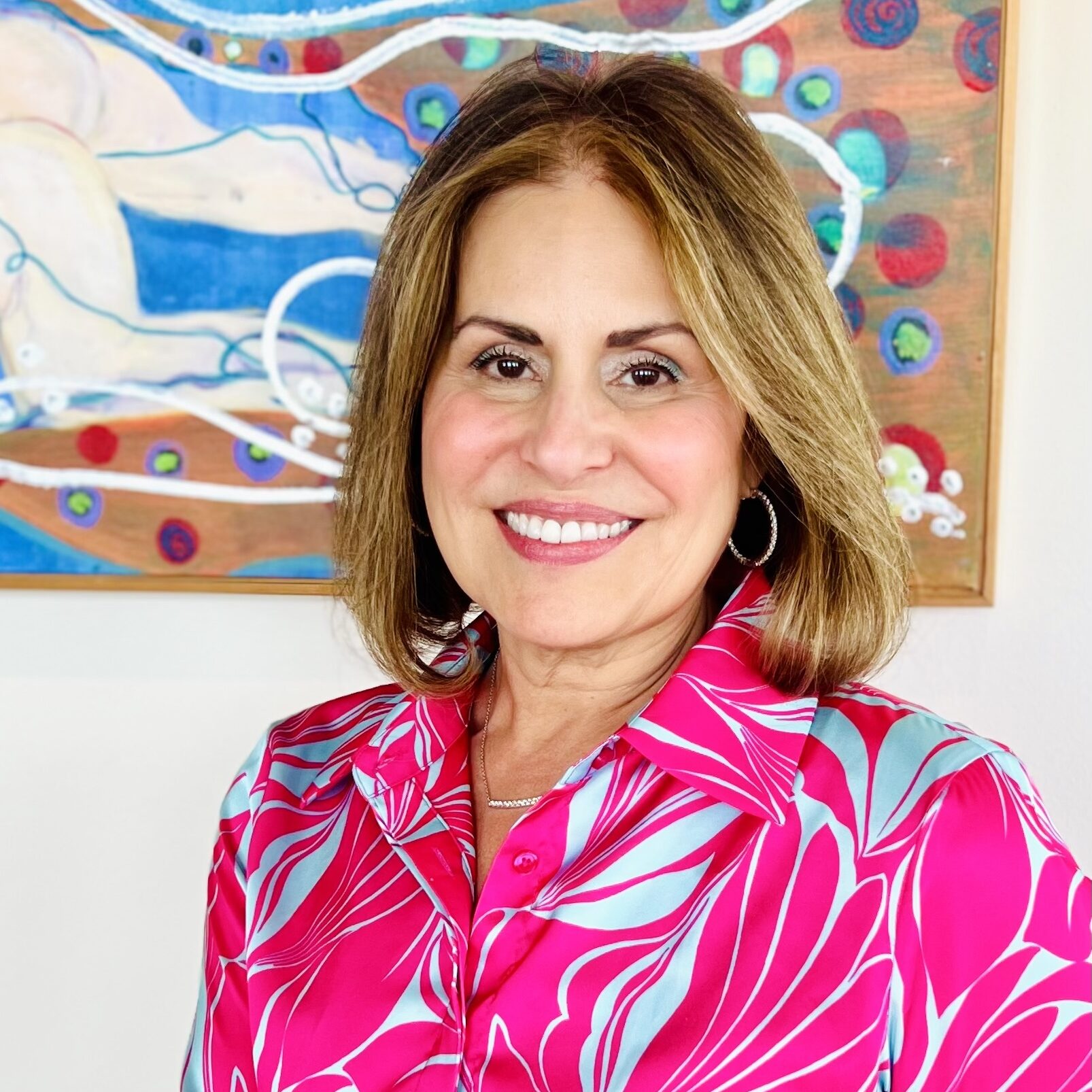
Meet Dr. Angelina
Dr. Angelina H. Rodriguez is a Houston-based Jungian psychotherapist, speaker, and artist whose work explores the deeper emotional and symbolic patterns shaping human experience. Read more...
Currently accepting new patients and speaking opportunities.