Listening Beneath the Symptoms
DIFFICULT TO CONTROL BEHAVIORS
What may have started as relief, escape, comfort, or distraction gradually becomes something repetitive, emotionally consuming, or difficult to stop. You may find yourself returning to the same behaviors despite guilt, shame, emotional exhaustion, or the desire to change.
These patterns often exist beneath the surface long before they are fully understood. Dr. Angelina H. Rodriguez approaches addiction and compulsive behavior through a Jungian depth psychology perspective that asks not only what the behavior is, but what it may be expressing emotionally, symbolically, and psychologically.
From this perspective, addiction is not viewed simply as a failure of willpower or selfcontrol. Compulsive behaviors often develop as ways of coping with emotional pain, inner conflict, loneliness, trauma, anxiety, emptiness, or disconnection from the self. The behavior itself is rarely the whole story.
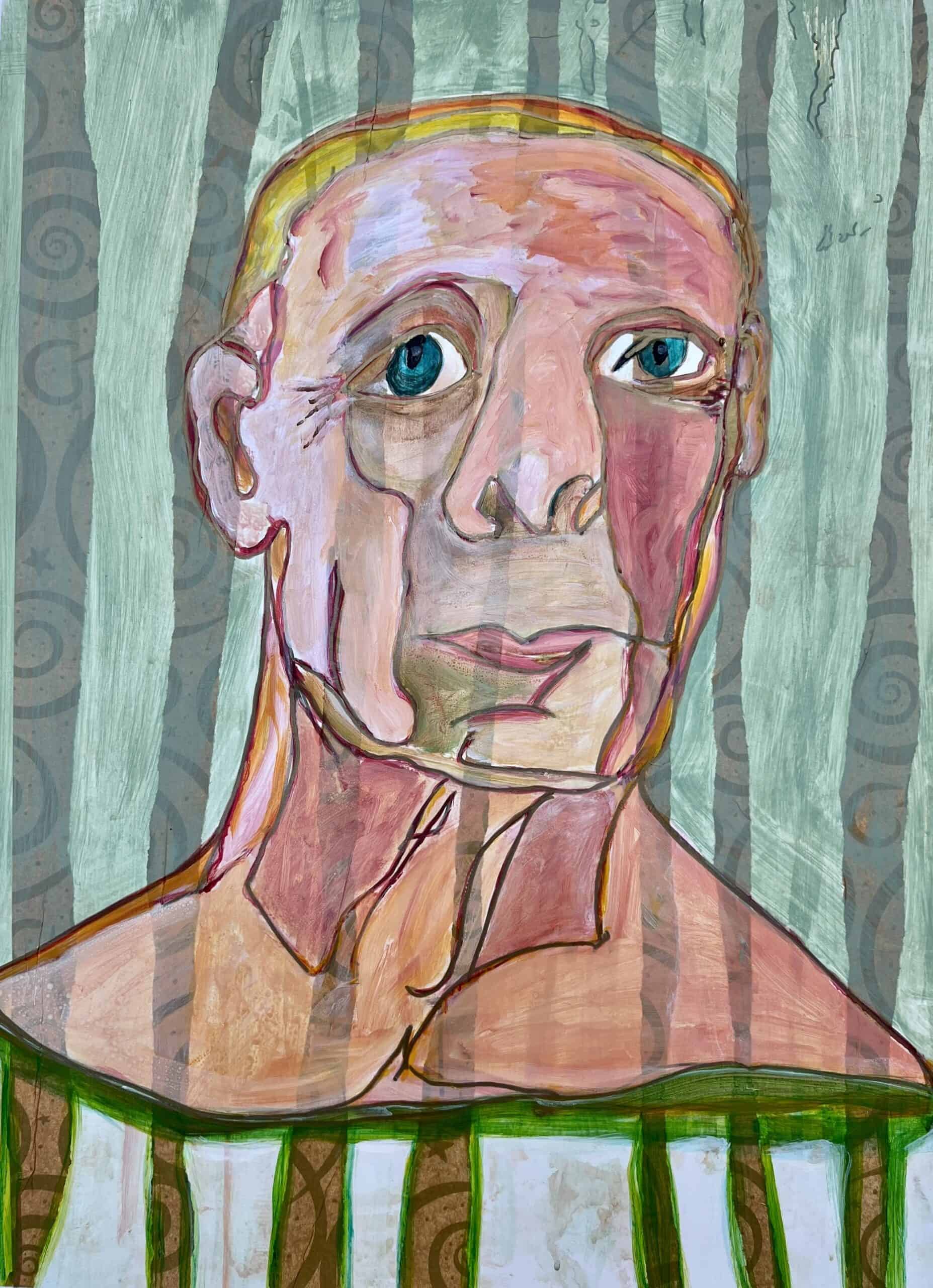
"What if the symptom is trying to say something? Listening changes everything."
- Dr. Angelina H. Rodriguez
Compulsive patterns may emerge through:
- substance use or addiction
- compulsive relationships or love addiction
- emotional dependency or codependency
- perfectionism and overachievement
- obsessive thinking or behaviors
- emotional avoidance or numbing
- work, technology, food, shopping, or other repetitive coping patterns
You may be experiencing:
- difficulty stopping behaviors despite consequences
- cycles of guilt, shame, or secrecy
- recurring destructive relationship patterns
- emotional highs and crashes
- feelings of emptiness, restlessness, or isolation
- fear, anxiety, or emotional pain beneath the behavior itself
Within Jungian psychology, compulsive behaviors may reflect unconscious attempts to soothe emotional wounds, manage unresolved grief, avoid painful feelings, or reconnect with parts of the self that feel lost, fragmented, or disconnected. Rather than focusing only on symptom reduction, this work explores the deeper emotional and symbolic patterns connected to the behavior itself.
Together, therapy may include:
- understanding the emotional roots of compulsive behaviors
- identifying unconscious family and relational dynamics
- exploring shame, grief, trauma, and emotional disconnection
- dream work and symbolic exploration
- Jungian-informed art therapy and active imagination
- developing healthier ways of coping, relating, and finding meaning
This process is not about judgment. It is about learning to listen beneath the symptoms.
Over time, many clients experience:
- greater emotional awareness
- reduced reliance on compulsive coping patterns
- stronger boundaries and self-understanding
- more intentional choices and relationships
- deeper connection to meaning, purpose, and authentic selfhood
Healing often begins when we stop asking only, “How do I make this stop?” and begin asking: What pain is this trying to soothe?
What part of myself has been neglected or silenced?
What is asking to be healed beneath the behavior?
You do not have to navigate these patterns alone. Schedule a consultation to explore whether this work may support your healing, self understanding, and recovery process.

Meet Dr. Angelina
Dr. Angelina H. Rodriguez is a Houston-based Jungian psychotherapist, speaker, and artist whose work explores the deeper emotional and symbolic patterns shaping human experience. Read more...
Currently accepting new patients and speaking opportunities.